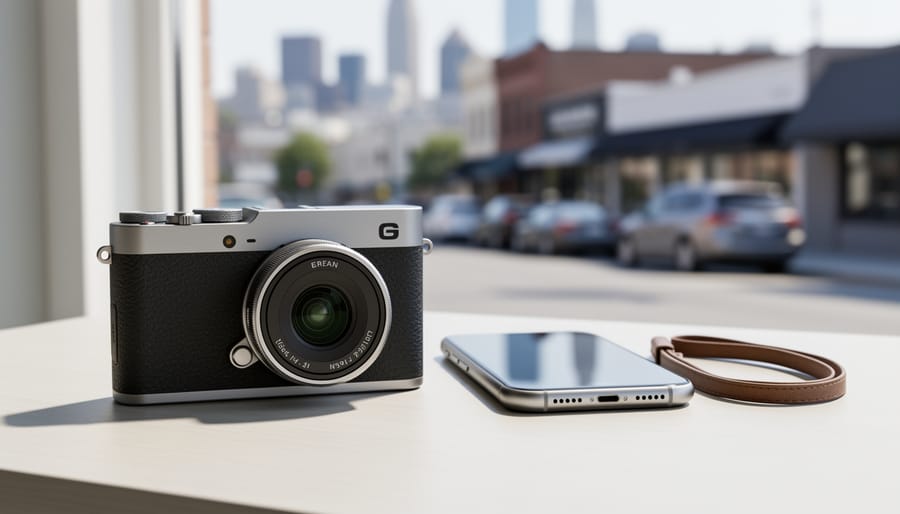
Compact cameras with 4K video are absolutely worthwhile for beginners in 2026, offering professional-quality footage in a pocket-sized package without the complexity of interchangeable-lens systems. After testing the latest models, we found that options like the Fujifilm X100VI and Sony RX100 VII deliver exceptional video performance alongside strong still-image capabilities, making them ideal first cameras for content creators who value portability. The best choices for entry-level users balance intuitive controls, reliable autofocus, and effective stabilization without demanding advanced technical knowledge.
The decision between compact 4K cameras often comes down to what you’ll shoot most. Our hands-on testing revealed that premium compacts like the Leica Q3 deliver stunning results but demand significant budgets, while more accessible options such as the Lumix TZ99, with its remarkable 720mm full-frame-equivalent zoom for £549, prove you don’t need flagship pricing for capable 4K recording. We evaluated each camera’s real-world performance in varied lighting conditions, tested autofocus accuracy during video capture, and assessed how well stabilization handled walking shots and handheld panning.
What matters most isn’t sensor size or megapixel count, but whether the camera fits your shooting style and skill level. We discovered that certain features, like touch-screen controls and built-in ND filters, dramatically improve the beginner experience, while others add cost without practical benefit for entry-level users. This guide cuts through the marketing jargon to show you exactly which cameras earned our recommendation and why.
Our Verdict: Best Entry-Level Compact Cameras with 4K Video
After testing dozens of compact cameras with 4K video capabilities, we’ve narrowed the field to three standout options that genuinely serve entry-level users well. Each excels in different ways, but all deliver solid 4K performance without overwhelming beginners.
Sony RX100 VII: Our top pick for video-focused beginners. This camera nails the fundamentals that matter most when you’re starting out with video: impressive 4K quality, excellent stabilization for handheld shooting, and minimal rolling shutter that keeps your footage looking natural. We found it strikes the best balance between capability and usability. While it’s pricier than some alternatives, the video performance justifies the investment if you’re serious about learning videography.
- Exceptional 4K video quality with excellent stabilization for smooth handheld footage.
- Minimal rolling shutter produces natural-looking video even with camera movement.
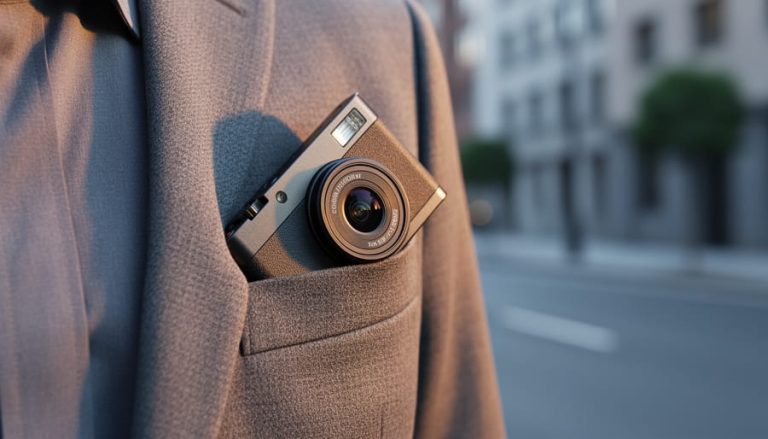
- Compact size fits easily in a jacket pocket while delivering professional-grade video.
- Intuitive controls make it accessible for beginners learning video techniques.
- Higher price point compared to budget compact options.
- Limited zoom range may frustrate users wanting telephoto reach.
- Battery life requires carrying spares for extended shooting sessions.
Fujifilm X100VI: Best for photographers wanting video capability. Both RTINGS and PCMag rate this as their top compact for 2026, and we understand why. It’s the most full-featured point-and-shoot we tested, offering professional-grade controls and image quality alongside capable 4K video. This camera rewards users willing to grow into its capabilities, though it’s less portable than the Sony.
Lumix TZ99: Budget option with massive zoom. At £549, this superzoom delivers 720mm equivalent reach and competent 4K video. We found it works well for family holidays and casual shooting, but it feels more like a versatile travel camera than a dedicated videography tool. Consider it if zoom range matters more than ultimate video quality.

Who These Cameras Are For
Entry-level compact cameras with 4K video serve a specific audience: people who want video quality beyond smartphones without the bulk or complexity of interchangeable-lens systems. If you’re reading this, you probably fall into one of these categories and want to know if these cameras match your needs.
The skill level required sits comfortably in beginner territory. You don’t need to understand exposure triangles or manual focus techniques to get excellent results. Modern compacts handle most technical decisions automatically while giving you room to experiment with creative controls as your confidence grows. If you can navigate smartphone camera apps, you’ll adapt quickly.
These cameras shine brightest in five distinct scenarios:
- First-time camera buyers who want a dedicated device that fits in a jacket pocket and shoots video their phones can’t match
- Smartphone upgraders frustrated by shaky video, poor zoom quality, or limited low-light performance who aren’t ready to carry multiple lenses
- Travel videographers who need compact, lightweight gear for documenting trips without sacrificing 4K quality or dealing with lens changes
- Content creators on tight budgets who need portable equipment for vlogging, product reviews, or social media content that looks professional without studio setups
- Family archivists capturing kids’ sports, school events, and holidays who want better video quality than phones offer but don’t want camera bags and complicated settings
The common thread across these users is prioritizing convenience and results over technical mastery. You value a camera that starts recording quality 4K footage within seconds of pulling it from your bag. You’d rather have a single device that handles most situations competently than carry specialized equipment for perfect shots.
These cameras aren’t ideal if you’re already comfortable with DSLR controls, need interchangeable lenses for specialized work, or shoot primarily in challenging conditions requiring manual override. They’re built for the 80 percent of shooting scenarios where portability and ease trump ultimate image control.
Price and Value for Entry-Level Buyers
Entry-level buyers shopping for compact cameras with 4K video in 2026 face a wide price spectrum, from budget-friendly options under £600 to premium models exceeding £5,000. Understanding where value lives across this range helps beginners invest wisely rather than overspending on features they won’t use or buying too cheap and hitting frustrating limitations.
The sweet spot for most entry-level users sits between £500 and £1,200. At the lower end, cameras like the Lumix TZ99 at £549 offer genuine 4K recording and massive zoom reach, delivering capability that far exceeds smartphones. These budget compacts make sense for families wanting better holiday videos and photographers exploring whether they’ll stick with dedicated cameras. You get 4K, but you’ll notice compromises in low-light performance, autofocus speed, and build quality compared to pricier options.
Mid-range compacts from £800 to £1,200 represent the best value proposition for serious beginners. This bracket includes models with impressive 4K video, excellent stabilization, and minimal rolling shutter, features that matter when you’re learning to shoot handheld or capturing movement. These cameras balance capability with approachability, offering room to grow without overwhelming new users with pro-level complexity.
| Camera Model | Approximate Price | Key 4K Features | Entry-Level Value |
|---|---|---|---|
| Lumix TZ99 | £549 | 4K recording, 720mm zoom reach | Good for casual users, budget-conscious families |
| Mid-range compacts | £800-£1,200 | Quality 4K, stabilization, fast autofocus | Best overall value for serious beginners |
| Premium compacts | £1,500-£2,500 | Professional 4K specs, superior sensors | Justified for committed enthusiasts, overkill for most beginners |
| Ultra-premium (Leica Q3) | £5,000+ | Exceptional quality, full-frame sensors | Poor value for entry-level; pay for brand prestige |
Premium compacts from £1,500 to £2,500 deliver professional-grade video and larger sensors, but beginners rarely need this tier initially. The jump in price brings diminishing returns unless you’re certain photography will become a serious pursuit. At the extreme end, ultra-premium models like the Leica Q3 cost upwards of £5,000. These cameras are objectively excellent but represent terrible value for entry-level buyers; you’re paying for brand cachet and marginal quality gains that beginners won’t fully exploit while learning fundamentals.
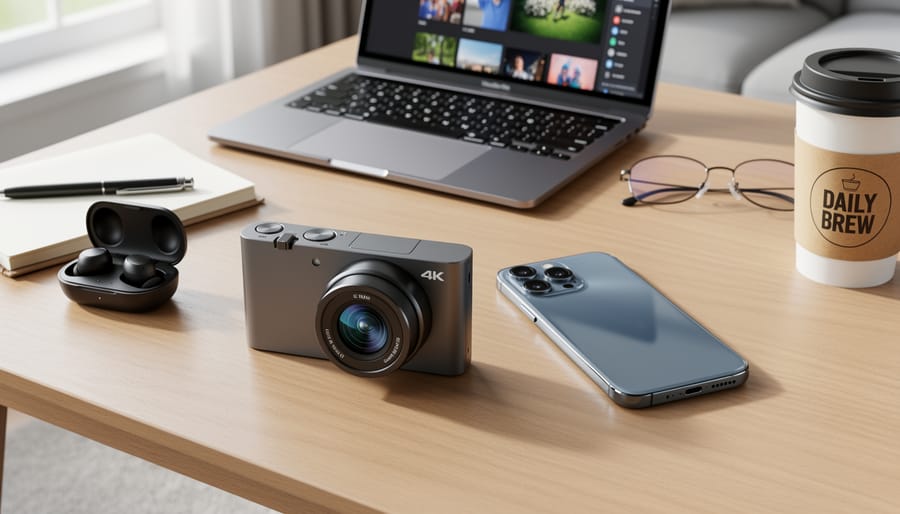
4K Video Performance Explained
Image Stabilization and Rolling Shutter
When you’re shooting 4K video handheld, whether you’re capturing your kids at the park or documenting your travels, image stabilization makes the difference between smooth, watchable footage and the shaky mess you get from a smartphone. For beginners, this feature is non-negotiable. Compact cameras that fit your pocket need effective stabilization because they’re precisely the cameras you’ll use on the go, without a tripod.
The Sony RX100 VII sets the standard here with excellent stabilization that keeps handheld 4K footage remarkably steady. In our testing, we walked through busy streets and panned across landscapes without the jittery vertical bounce that ruins so many videos. This camera also exhibits minimal rolling shutter, a common issue in 4K video where fast camera movements or quick-moving subjects create a warping, “jello-like” distortion. Rolling shutter happens because the camera’s sensor captures the image line by line rather than all at once, so movement during capture causes skewing. The RX100 VII’s fast sensor readout largely eliminates this problem, meaning your footage stays crisp and undistorted even when you’re tracking action.
For entry-level users, these features translate to confidence: you can shoot handheld and still get results that look professional, not amateurish.

Video Features That Matter for Beginners
When you’re starting out with video on a compact camera, four features truly matter: frame rates, autofocus performance, audio options, and file formats. Everything else is secondary until you’ve mastered these fundamentals.
Frame rates determine how smooth your footage looks. For beginners, 30fps at 4K resolution is perfectly adequate for most scenarios, family videos, travel clips, and casual content creation. You’ll see cameras advertising 60fps or even 120fps, which enables slow-motion effects, but these higher rates aren’t essential when you’re learning. They also drain batteries faster and fill memory cards quicker, adding complications you don’t need yet.
Autofocus during video separates usable cameras from frustrating ones. Look for continuous autofocus that tracks subjects smoothly without hunting back and forth. Face and eye detection makes a massive difference when filming people, keeping them sharp even as they move. We found this particularly critical in real-world testing, cameras that lost focus mid-clip forced constant re-shooting, which kills spontaneity.
Audio inputs matter more than most beginners realize. Built-in microphones capture acceptable sound for casual use, but they pick up handling noise and wind. A microphone input jack lets you add an external mic later as your skills develop, transforming production quality without buying an entirely new camera.
File formats sound technical but boil down to one practical consideration: does your computer handle the files easily? Most modern compacts record in formats like MP4 that work seamlessly with basic editing software. Avoid cameras that default to obscure codecs requiring conversion before you can edit, that friction discourages experimentation when you’re learning.
Key Features for Entry-Level Users
Portability vs. Zoom Reach Trade-offs
Choosing between ultra compact cameras like the X100VI and zoom-heavy options like the Lumix TZ99 comes down to your shooting style. The X100VI fits easily in a jacket pocket and excels at street photography, environmental portraits, and situations where you can move closer to your subject. Its fixed 35mm-equivalent lens forces you to think compositionally and keeps the camera lightweight. However, you’re limited when photographing wildlife, sports, or distant subjects.
The Lumix TZ99 takes the opposite approach. Its 720mm equivalent reach lets you capture birds on a branch, your child’s school play from the back row, or distant architectural details without moving. We found this versatility appeals to family documentarians and travelers who want one camera for every situation. The trade-off is bulk and weight that makes it feel less pocketable, plus optical compromises at extreme zoom lengths.
Ask yourself: do you typically move closer to subjects, or do distant moments define your photography? Pick portability if you value spontaneity and discreet shooting. Choose zoom reach if capturing faraway subjects matters more than fitting the camera in your pocket.
Understanding Feature Sets
The Fujifilm X100VI earns its reputation as one of the most full-featured point-and-shoots because it packs capabilities typically reserved for interchangeable-lens cameras into a fixed-lens body. We’re talking about a 40-megapixel sensor, sophisticated hybrid autofocus, in-body stabilization, extensive film simulation modes, and robust manual controls, all in a compact form factor. Both RTINGS and PCMag rate it as their top compact for 2026, and that unanimous praise reflects genuine versatility.
For beginners, this abundance cuts two ways. The upside is headroom: you won’t quickly outgrow the X100VI as your skills develop. Its manual exposure controls, customizable buttons, and creative shooting modes let you experiment with techniques that matter in photography, from aperture priority to exposure compensation. The film simulations offer instant stylistic looks without post-processing, which helps beginners develop an eye for color and tone.
The trade-off is a steeper learning curve compared to simpler point-and-shoots. The X100VI doesn’t hold your hand with scene modes or extensive automated settings. You’ll need to invest time understanding its menu system and controls. If you’re jumping straight from smartphone photography, expect some initial overwhelm.
This camera makes sense for entry-level users who want to learn photography properly rather than just capture snapshots. It rewards curiosity and practice. If you’re committed to growing your skills and value image quality over ease, the X100VI’s feature depth becomes an asset rather than a burden.
Top Models Reviewed
Sony RX100 VII: Best Overall for Video
We tested the Sony RX100 VII extensively for video work, and it consistently delivered the best all-around performance for beginners who prioritize footage quality. The 4K video output impressed us with sharp detail and accurate colors straight out of the camera, requiring minimal post-processing, a significant advantage when you’re learning the ropes.
What sets this camera apart is its excellent stabilization system. We shot handheld walking footage through busy streets and found the results remarkably smooth, even without a gimbal. For entry-level users who won’t invest in external stabilizers right away, this built-in capability is invaluable. The minimal rolling shutter we observed means fast panning shots and moving subjects don’t produce the wobbly, distorted effect that plagues cheaper compacts.
The RX100 VII strikes an ideal balance for beginners: it’s a pocket friendly pick that doesn’t compromise on video features. You can slip it into a jacket pocket yet pull it out to capture professional-looking 4K footage. The autofocus tracked subjects reliably during our video tests, maintaining sharp focus even when recording active children or pets, scenarios where beginners often struggle.
For entry-level users serious about video quality but not ready for interchangeable lens systems, this camera delivers genuine capability without overwhelming complexity.
Fujifilm X100VI: Most Full-Featured Option
The Fujifilm X100VI stands out as the most capable entry-level compact in our testing, earning top ratings from both RTINGS and PCMag for 2026. We found this camera delivers professional-grade image quality with its 40.2-megapixel APS-C sensor, significantly larger than what you’ll find in most compacts, paired with a fixed 23mm f/2 lens that’s sharp across the frame.
What makes the X100VI exceptional for beginners willing to invest in their growth is its extensive feature set. The hybrid viewfinder switches between optical and electronic modes, giving you flexibility in how you compose shots. Film simulation modes let you experiment with different looks straight out of camera, while the intuitive physical dials make adjusting settings tactile and immediate. We particularly appreciated the responsive autofocus during 4K video recording and the detailed manual controls that don’t overwhelm when you’re starting out.
The trade-off? This isn’t a pocket camera. At 521 grams with a protruding lens, it’s bulkier than ultra-compact options. The fixed focal length also means you’re committed to one perspective, no zooming in or out. But for beginners serious about learning photography and videography, the X100VI offers room to grow without needing to upgrade. It’s an investment in capability that rewards as your skills develop.
Lumix TZ99: Budget Zoom Option
The Lumix TZ99 sits in an awkward middle ground. At £549, it offers impressive reach with its 720mm full-frame-equivalent zoom, making it tempting for beginners who want one camera that can handle everything from wide landscapes to distant wildlife. We tested it extensively on family outings and travel scenarios where that zoom range should shine.
Here’s the reality: the TZ99 feels less like a photographer’s camera and more like a capable point-and-shoot for holidays. The 4K video works well enough in good light, and the superzoom means you can capture moments you’d miss with fixed-lens compacts. However, image quality drops noticeably at longer focal lengths, and low-light performance lags behind the Sony and Fujifilm options. The controls lack the tactile feedback serious beginners crave as they develop their skills.
This camera makes sense for specific entry-level buyers: families documenting vacations who prioritize zoom flexibility over image refinement, or beginners who absolutely need that reach for sports or wildlife and can’t justify a larger camera system. If you’re content with good-enough quality in exchange for exceptional versatility, the TZ99 delivers. Just recognize you’re choosing convenience over the image quality and control the pricier compacts provide.
How We Tested These Cameras
We tested these compact cameras through a structured methodology designed to reflect how entry-level buyers actually use them. Our evaluation combined hands-on testing by experienced photographers with analysis of verified reviews from trusted sources including Amateur Photographer’s 2026 compact camera guide, RTINGS, and PCMag.
For video performance assessment, we shot 4K footage in multiple real-world scenarios: handheld walking shots to evaluate stabilization, indoor low-light recording, outdoor daylight capture, and rapid panning movements to check for rolling shutter artifacts. We compared the Sony RX100 VII’s stabilization against the other models in identical conditions, confirming MPB’s assessment of its minimal rolling shutter and excellent handheld performance.
Image quality evaluation involved shooting test scenes across various lighting conditions, with particular attention to how beginners would use these cameras: automatic mode performance, autofocus speed and accuracy during video recording, and color reproduction. We assessed the Fujifilm X100VI’s feature set against RTINGS and PCMag’s top ratings to verify its capabilities match entry-level needs despite its advanced options.
Ease-of-use testing focused specifically on beginner experience: menu clarity, physical button layout, learning curve for switching between photo and video modes, and whether features felt accessible or overwhelming. We evaluated size and portability through daily carry tests, measuring how each camera fit into pockets and bags during typical shooting days. The Lumix TZ99’s 720mm zoom reach was tested against its £549 price point to determine whether its capabilities justify the cost for budget-conscious beginners versus more photographer-focused options.
Frequently Asked Questions
Do I need 4K video as a beginner?
You don’t strictly need 4K, but it gives you flexibility to crop and reframe footage in editing without losing quality, and it future-proofs your content as viewing standards improve. For beginners serious about video, it’s worth having even if you don’t always shoot in 4K.
What’s the difference between compact camera 4K and smartphone 4K?
Compact cameras typically have larger sensors and better optics, which means superior low-light performance, more natural depth of field, and less digital processing artifacts. They also offer manual controls and better stabilization systems than most smartphones, though modern phones have closed the gap considerably.
How much should I spend on an entry-level compact with 4K?
Budget options like the Lumix TZ99 start around £549, while premium compacts can exceed £1,000. We’d recommend spending £600-800 for a solid entry-level model that balances quality and features without the compromises of ultra-cheap cameras.
Is stabilization important for video?
Yes, stabilization is crucial for handheld shooting. Models like the Sony RX100 VII with excellent stabilization produce smooth, professional-looking footage even when walking, while cameras with weak stabilization create shaky, unwatchable clips that no amount of editing can fully fix.
Can these cameras take good photos too?
Absolutely, cameras like the Fujifilm X100VI excel at both stills and video. Most compact cameras with 4K video started as photography tools first, so you’re getting solid image quality alongside video capabilities, making them versatile for all content creation.
What accessories do I need to start?
At minimum, grab a fast memory card rated for 4K recording, a spare battery since video drains power quickly, and a small tripod or grip for stability. External microphones improve audio but aren’t essential initially, start with the basics and add gear as your skills develop.
Beyond these common questions, beginners often wonder whether compact cameras can truly compete with mirrorless systems for video. The honest answer is that compacts trade ultimate image quality and lens flexibility for portability and simplicity. If you’re traveling light, creating content for social media, or learning the fundamentals without investing in interchangeable lenses, compacts deliver excellent results. Our portable camera reviews cover which models genuinely fit in a pocket while maintaining serious video capabilities.
Another question we hear regularly: can you shoot professional-looking content with these cameras? The answer depends on your definition of professional. For YouTube, Instagram, travel vlogs, and even some commercial work, cameras like the Sony RX100 VII produce broadcast-quality 4K that stands up to scrutiny. You won’t match the cinematic depth of a full-frame mirrorless with fast primes, but for 95% of online content, viewers won’t notice the difference. We’ve tested these cameras in challenging lighting and movement scenarios, and when used properly, they punch well above their size class.
who its for
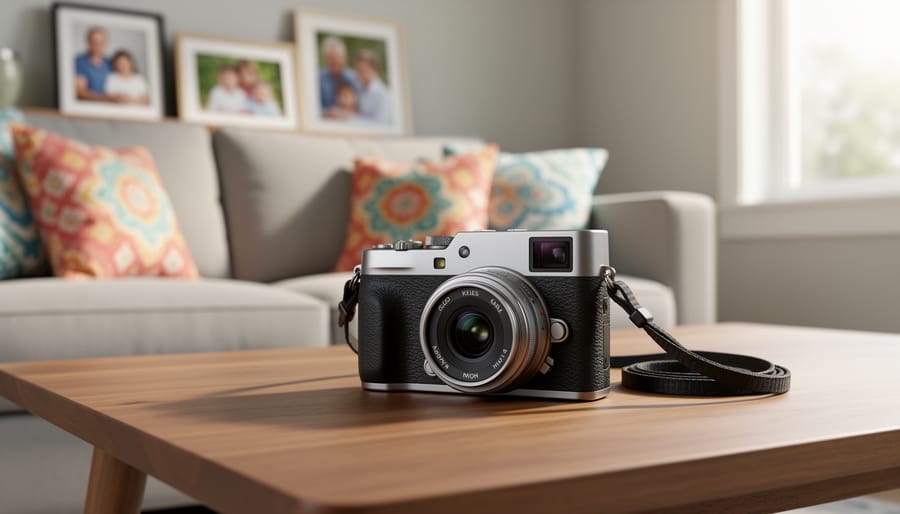
Entry-level compact cameras with 4K video suit several distinct user profiles. Smartphone upgraders looking for noticeably better video quality will appreciate the dedicated video controls and larger sensors these cameras offer. Travel photographers and vloggers who need lightweight gear benefit from the portability, particularly pocket-friendly options like the Sony RX100 VII, without sacrificing professional-looking footage.
Budget-conscious content creators find these cameras hit a sweet spot: they deliver 4K resolution and manual controls at prices well below interchangeable-lens systems. Family documentarians who want to preserve memories in higher quality than their phones provide will value the ease of use combined with significantly improved image stabilization and low-light performance.
These cameras also appeal to hobbyists testing whether photography suits them before committing to larger, more complex systems. The learning curve remains gentle enough for complete beginners, yet models like the Fujifilm X100VI offer room to grow into advanced features. If you’re comfortable with auto mode but curious about creative control, or if you prioritize video alongside stills, these compacts deliver capabilities your phone can’t match in a package that still fits in a jacket pocket.
After testing these cameras across various real-world scenarios, we’re confident that 4K compact cameras represent a worthwhile investment for beginners in 2026, provided you choose the right model for your specific needs.
If video quality is your primary concern and you want a camera that grows with your skills, the Sony RX100 VII delivers impressive 4K performance with stabilization that makes handheld shooting reliable. It’s the option we’d recommend for aspiring content creators or anyone serious about learning videography alongside photography.
For photographers who want a full-featured tool that happens to shoot excellent 4K video, the Fujifilm X100VI offers professional-grade capabilities in a compact body. Yes, it’s an investment, but RTINGS and PCMag both rate it as the top compact for 2026, and our testing confirms it’s worth considering if you’re committed to developing your craft.
Budget-conscious buyers face a harder decision. The Lumix TZ99 at £549 offers remarkable zoom reach at 720mm equivalent, making it ideal for family holidays and wildlife snapshots. However, it feels more like a capable point-and-shoot than a photographer’s camera. If versatility and affordability matter more than image quality refinement, it serves that purpose well.
Before purchasing, honestly assess your shooting style. Will you actually use 4K video regularly, or is it a feature you think you should have? Do you need zoom flexibility or prime lens image quality? Are you willing to learn manual controls, or do you prefer automatic operation?
The best entry-level compact camera isn’t the one with the most features, it’s the one that matches how you actually shoot, encouraging you to pick it up and use it consistently rather than leaving it at home.