Choosing a portrait photography course begins with matching your learning goals to the right format, whether you need technical fundamentals in lighting and posing, client-facing skills for a business, or hands-on critique with professional models. Courses across Canada in 2026 range from intensive three-day workshops starting at $1,199 to destination sessions combining scenic locations with structured practice. The decision comes down to three factors: what technical gaps you need to close, how much guided feedback you require, and whether your schedule favors weekend intensives or flexible online modules.
Most photographers choose portrait courses to solve a specific problem. You might capture sharp images but struggle with artificial lighting. Or you’re confident in natural light but freeze when directing clients. Small-group workshops in cities like Toronto, Vancouver, and Calgary address these through real-time critique and hands-on setups with models, while comprehensive online programs cover studio techniques, environmental portraits, and the client management workflows that turn skills into income.
The market in 2026 offers verified options that remove guesswork. A three-day Toronto workshop this October provides professional model sessions and lighting practice for serious learners. Destination workshops like the April 2027 Tofino session combine instruction with portfolio-building locations. These aren’t beginner seminars; they assume you understand exposure and composition but need deliberate practice in portraiture’s unique challenges: reading faces, managing expressions, and building rapport under time pressure.
This guide walks through evaluating course formats, selecting programs that match your technical level and budget, understanding what separates effective curricula from generic overviews, and verifying your progress after enrollment.
What You’ll Need Before Starting a Portrait Photography Course
Before you enroll in any portrait photography course, you’ll want to arrive prepared with the right gear and foundational skills to maximize your learning. Most courses assume you own a capable camera and understand basic exposure settings, so showing up without these fundamentals will put you behind from day one.
Camera and Lenses
You’ll need a DSLR and mirrorless camera with manual control over aperture, shutter speed, and ISO. Entry-level models work fine, courses focus on technique, not expensive equipment. For lenses, a focal length between 50mm and 85mm is ideal for portraits because these lengths create flattering facial proportions and background separation. A basic 50mm f/1.8 prime lens costs under $200 and delivers professional-quality results, making it the standard recommendation for beginners.
Essential Equipment Checklist
- Memory cards with at least 32GB capacity, since you’ll shoot hundreds of practice frames during hands-on sessions
- Spare batteries, workshop days run eight to ten hours, and your camera battery won’t last that long
- External flash or speedlight if the course description mentions off-camera lighting techniques
- Light stand and basic trigger system for courses that require you to bring your own lighting gear
- Reflector (collapsible 5-in-1 models around $30 work well) for manipulating natural light
- Laptop with editing software if post-processing sessions are included in the curriculum
What Courses Typically Provide
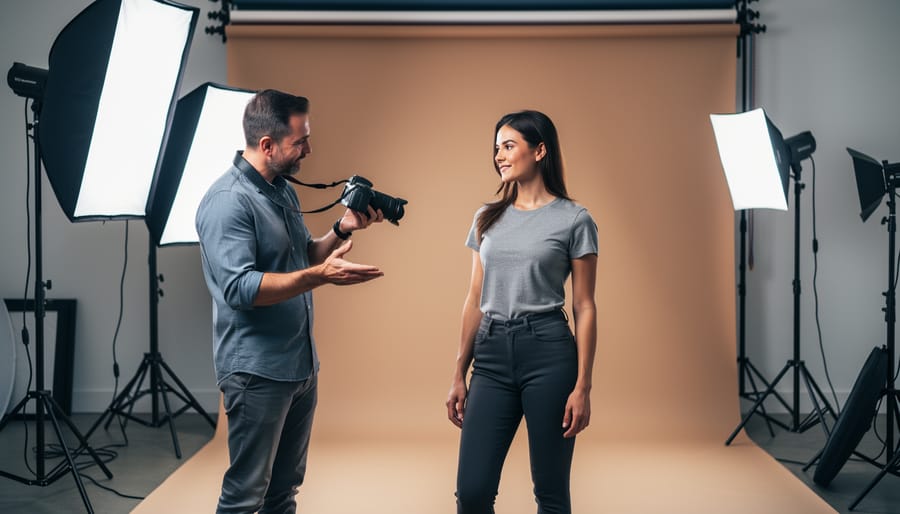
Most portrait photography courses supply professional models, studio lighting setups, and backdrops during instruction time. The October 2026 three-day Toronto workshop and similar intensive formats include these resources as part of the enrollment fee. Smaller group sessions in cities like Calgary and Vancouver often rotate between studio and outdoor locations, providing both controlled and natural lighting environments without requiring students to bring stands or modifiers.
Check your specific course description for a materials list, some programs provide all lighting equipment and just ask you to bring your camera, while others expect you to arrive with a complete portable lighting kit.
Understanding Course Formats and What They Offer
Multi-Day Intensive Workshops
Multi-day intensive workshops compress months of learning into concentrated three-to-five-day experiences, making them ideal for photographers who want rapid skill development without ongoing weekly commitments. The October 17-19, 2026 workshop in Toronto exemplifies this format: participants spend full days working with professional models, rotating through various lighting setups while receiving real-time critique on their shots. You’ll typically shoot dozens of portraits each day under different conditions, studio strobes, natural window light, outdoor environments, then review results immediately with instructors who identify exactly what worked and what needs adjustment.
These intensives demand focus and stamina. Expect 8-10 hour days of active shooting, setup changes, and technical problem-solving. The accelerated pace means you absorb techniques faster but also need to practice independently afterward to cement the skills. Most workshops provide all equipment and models, so your main cost is the registration fee plus travel and accommodation if you’re attending outside your city. The condensed timeline suits working professionals who can block off a long weekend but can’t commit to weekly evening classes stretching across months.
Comprehensive Certification Programs
Comprehensive certification programs offer the most thorough path into professional portrait photography, typically spanning several weeks to months rather than a condensed weekend. These courses tackle the full professional workflow, from mastering studio lighting setups and shooting environmental portrait techniques to handling client consultations and managing post-production timelines. The Photography Institute Canada, for example, provides comprehensive curricula covering studio work, environmental portraits, and client management for $1,199. This format suits aspiring professionals who need structured skill-building across both technical and business dimensions of portrait photography.
What distinguishes certification programs is their systematic approach to competency. Rather than focusing on a single technique or session type, they walk you through the entire portrait photography ecosystem, shooting in controlled studio environments with multiple light sources, adapting to natural light conditions in outdoor and location settings, directing subjects across various scenarios, and preparing deliverables that meet client expectations. The curriculum progression typically mirrors real professional challenges, giving you frameworks for everything from setting up a three-light portrait to navigating tricky client feedback.
Small Group and Destination Sessions
Small group sessions typically cap enrollment at six to eight students, creating space for personalized feedback and more practice time with setups. Learn Photography Canada structures courses around this intimate format, offering workshops in Calgary, Edmonton, Toronto, GTA, Ottawa, Kelowna, and Vancouver with access to professional studios and carefully selected outdoor locations. The small class size means you’ll get hands-on adjustments to your technique rather than watching demonstrations from the back of a room.
Destination workshops take the learning environment further by combining instruction with unique settings. These multi-day experiences remove daily distractions and immerse you in focused practice. For example, Pacific Shores Portraitscapes runs sessions in Tofino from April 30 to May 2, 2027, blending portrait techniques with coastal landscapes. Destination formats work best when you’re ready to invest concentrated time away from home and want the creative boost that comes from shooting in inspiring locations alongside a small cohort of committed learners.
Step-by-Step: How to Choose the Right Portrait Photography Course
Define Your Portrait Photography Goals
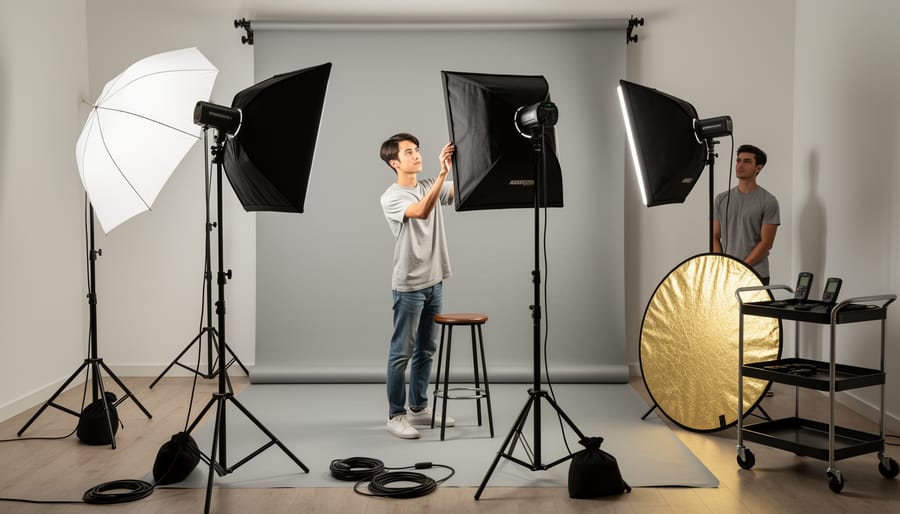
Start by identifying the specific portrait photography skills you want to develop, as this determines which course format suits you best. If you struggle with artificial lighting or want to shoot professional headshots, prioritize courses emphasizing studio techniques with flash and modifiers, look for curriculum descriptions that mention hands-on practice with professional lighting setups. Those aiming to photograph clients in outdoor settings or capture lifestyle portraits should seek programs covering environmental portrait techniques, including natural light management and location scouting. If you already have technical competence but want to turn portrait work into paid client sessions, focus on courses explicitly addressing client management, pricing strategies, and business fundamentals, the comprehensive curricula covering studio work, environmental portraits, and client management typically suit this goal. Beginners unsure of their direction benefit most from multi-day workshops offering exposure to varied lighting scenarios and shooting environments before committing to specialized training.
Evaluate Curriculum and Hands-On Opportunities
Look for course descriptions that specify you’ll work with professional models rather than just classmates. Real portrait sessions with experienced models teach you to direct subjects and manage different personalities, skills you can’t develop shooting friends. The Toronto October 2026 three-day workshop, for instance, explicitly includes hands-on practice with professional models alongside real-time critique and multiple lighting setups, which represents the gold standard for portfolio-building courses.
Check whether critique happens during the shoot or only afterward. Real-time feedback lets you adjust your technique immediately while you still have the model, lighting, and setup available. Courses should also rotate you through different lighting scenarios, natural window light, studio strobes, portable flash setups, not just one configuration repeated across three days.
Balance matters enormously. A curriculum heavy on theory with minimal shooting time won’t build the muscle memory you need. Look for programs that dedicate at least half the course time to camera-in-hand practice, whether that’s studio sessions, environmental portraits, or both. Small class sizes help here; you’ll get more shooting opportunities and individual attention when you’re not waiting in line behind fifteen other students.
Consider Class Size and Learning Environment
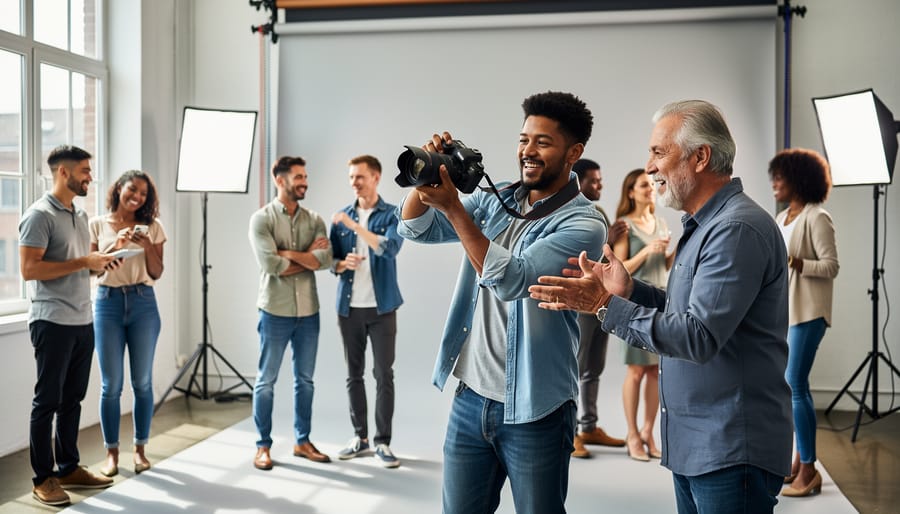
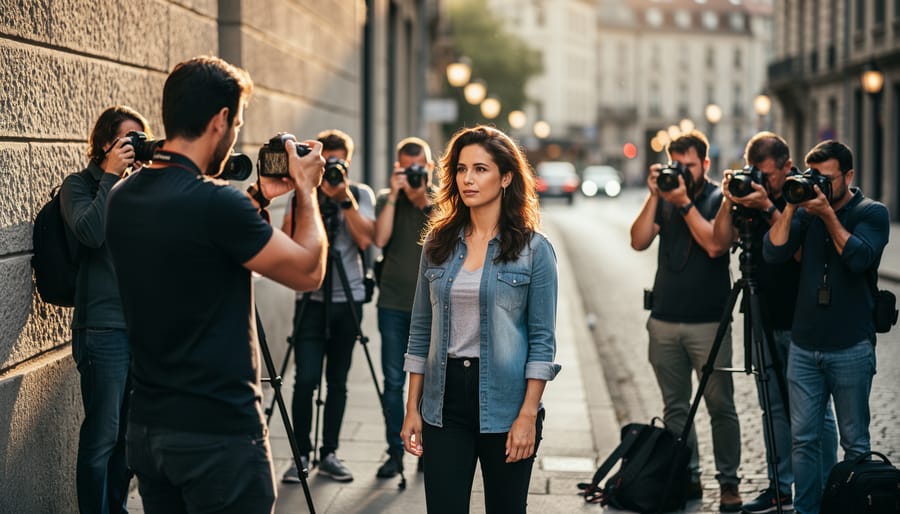
Class size directly affects how much individual feedback you receive during portrait sessions. In groups of four to six students, instructors can watch your lighting setup, correct your posing direction in real time, and review your frames while you still have the model available for adjustments. Larger classes mean waiting your turn and less hands-on correction when it matters most.
Location quality shapes what you can practice. Studio spaces with multiple lighting setups let you experiment with different modifiers and backdrops in controlled conditions. Outdoor environments, urban settings, natural landscapes, or destination venues, teach you to read ambient light and adapt quickly. Programs like those in Calgary, Vancouver, and Toronto through hands-on providers emphasize outstanding locations because the variety itself becomes part of the curriculum, pushing you beyond repeating the same safe setup in every session.
Compare Pricing and Value
Don’t focus solely on the headline price when comparing portrait photography courses. A $1,199 comprehensive program might actually offer better value than a $600 workshop if it includes professional model fees, studio access, and post-course mentoring that you’d otherwise pay for separately.
Break down what’s bundled versus what costs extra. Some courses build model fees and location access into tuition, while others add these as separate charges that can double your total investment. Ask whether lighting equipment, editing software access, or printed materials are included. Check if there’s ongoing critique support after the workshop ends, this can be worth hundreds in consultation fees.
Compare total investment rather than sticker price. A three-day intensive at $800 with models, studio time, and follow-up sessions may deliver more practical value than a $400 course where you’re sharing equipment and practicing on classmates. Small class sizes command premium pricing but translate to more shooting time, personalized feedback, and direct access to professional setups that accelerate your learning.
Check Schedules and Commit to Dates
Once you’ve narrowed down what to look for in a course format and curriculum, check available dates immediately, popular workshops fill quickly. Multi-day intensives typically run on consecutive days (the October 17-19, 2026 Toronto workshop is a standard three-day format), while comprehensive programs span weeks or months with flexible start dates. Destination workshops like those in Tofino often schedule around optimal weather windows. Mark your calendar with specific dates rather than waiting, and verify cancellation terms before paying deposits, since photography workshops depend on minimum enrollment and sometimes weather-dependent outdoor sessions.
Important Considerations Before Enrolling
Before committing to a portrait photography course, understand that full-day workshop formats demand significant physical stamina. Standing for six to eight hours while managing equipment, adjusting lighting setups, and actively shooting drains even experienced photographers, particularly during intensive three-day formats like the October 2026 Toronto workshop. If you have mobility limitations or health conditions that make prolonged standing difficult, confirm whether the course provider accommodates breaks or seated instruction periods.
Weather plays a crucial role in outdoor and destination sessions. Workshops scheduled for environmental portraits or location-based programs like the Tofino session in spring 2027 face postponement risks due to rain, extreme cold, or poor natural light conditions. Many providers don’t offer full refunds for weather cancellations, instead providing credit toward future sessions that may not align with your schedule.
Time commitment extends beyond classroom hours. Expect to spend additional hours reviewing your work, practicing techniques between sessions, and potentially completing assignments for certification programs. The comprehensive curricula covering studio work and client management typically require 10-15 hours per week over several months, not just the advertised contact time.
Cancellation policies vary dramatically between providers. Some lock you into non-refundable payments weeks before the course starts, while others allow transfers or partial refunds closer to the date. Read the fine print carefully, especially for higher-priced programs around the $1,199 range, where losing your investment creates real financial consequences.
Don’t enroll if you can’t commit to the entire schedule. Missing even one session in a small group format disrupts the learning sequence and wastes the concentrated critique opportunities that make these courses valuable.
Core Skills You’ll Develop in a Portrait Photography Course
Portrait photography courses follow a structured progression that builds your capabilities from technical camera work through to client-ready professional skills. Most comprehensive curricula covering studio work, environmental portraits, and client management start with lighting fundamentals because understanding how to shape light directly impacts every portrait you create. You’ll learn three-point lighting setups, how to modify natural light with reflectors and diffusers, and when to use hard versus soft light sources for different facial features and moods.
Once you grasp lighting mechanics, courses shift to directing and posing subjects, a skill that separates technically competent photographers from those who consistently capture compelling portraits. You’ll practice communicating with models, adjusting body angles to flatter different body types, and coaching authentic expressions rather than forced smiles. Hands-on workshops with professional models provide immediate feedback on what works.
Post-processing skills come next in the learning sequence. You’ll develop editing workflows that enhance portraits without creating an artificial look, learning techniques to polish your photos while maintaining skin texture and natural tones. Most courses teach industry-standard software, though budget-conscious students can achieve professional results with GIMP editing techniques covered in supplementary resources.
The final skill layer addresses client relationships and business fundamentals. You’ll learn how to conduct pre-shoot consultations, set appropriate session expectations, handle delivery timelines, and price your work sustainably. This progression from technical mastery to professional practice ensures you’re not just taking better portraits, you’re prepared to deliver consistent results that clients value enough to pay for.
How to Verify You’re Getting Results and Next Steps
Measure your progress by reviewing work you completed during the course against work you produce independently afterward. Your portfolio should show consistent exposure, sharp focus on the subject’s eyes, and deliberate lighting choices rather than guesswork. If you can recreate a Rembrandt or loop lighting setup from memory without checking notes, you’ve internalized the technical foundation.
Watch how you interact with subjects during practice sessions. Confidence directing poses, adjusting expressions, and managing a shoot timeline signals readiness for real client work. You should feel comfortable explaining why you’re making lighting adjustments and guiding someone who’s never been photographed professionally.
Set a practice routine within two weeks of finishing your course. Book volunteer portrait sessions with friends or family members twice weekly, treating each as a paid assignment with planned setups and deliverable timelines. This prevents skills from fading and builds the repetition needed to work quickly under pressure.
Track specific improvements in your workflow. Compare how long it takes you to achieve a polished final image now versus before the course. Faster setup times, fewer test shots to nail exposure, and reduced editing time all indicate growing competence.
Transition to paid work gradually. Offer discounted mini-sessions to build your portfolio with diverse subjects before charging full rates. Once you’ve completed ten sessions where clients enthusiastically share and recommend your work, you’re ready to set professional pricing and market your portrait services seriously.
Common Questions About Portrait Photography Courses
Do I need professional equipment before taking a portrait photography course?
Most courses require a DSLR or mirrorless camera with manual controls and at least one portrait-friendly lens (50mm or 85mm works well), but you don’t need top-tier gear. Many providers supply lighting equipment and modifiers during the course, so your investment can focus on the camera body and a suitable lens.
Can complete beginners succeed in portrait photography courses?
Yes, though you’ll benefit most if you already understand basic camera settings like aperture, shutter speed, and ISO. Some courses start with fundamentals while others assume working knowledge of manual mode, so check the prerequisite descriptions carefully before enrolling.
How do I choose between a weekend workshop and a comprehensive certification program?
Weekend workshops like the three-day Toronto session in October 2026 suit photographers who want intensive hands-on practice with immediate feedback, while comprehensive programs covering studio work, environmental portraits, and client management over several weeks better serve those building toward professional portrait work. Consider your timeline and whether you need business skills alongside shooting techniques.
What makes portrait photography courses different from general photography classes?
Portrait courses focus specifically on directing human subjects, mastering lighting for faces and skin tones, and managing the interpersonal dynamics of a portrait session. General photography education typically covers landscapes, composition theory, and gear fundamentals without the specialized people skills and studio lighting techniques central to portrait work.
Beyond these core concerns, prospective students often ask about class sizes and learning environments. Small group sessions, like those offered through providers such as Learn Photography Canada, give you more time working directly with instructors and professional models. Larger workshops may provide networking opportunities but less individual attention during critique sessions.
Location also shapes your experience significantly. Courses in cities like Calgary, Edmonton, Toronto, Ottawa, Kelowna, and Vancouver offer access to professional studio facilities and urban portrait settings, while destination workshops such as the Tofino session scheduled for late April 2027 combine skill-building with unique environmental backdrops. The choice depends on whether you prioritize controlled studio learning or environmental portrait techniques in distinctive locations.
Pricing questions naturally arise when comparing options. Comprehensive programs typically range around $1,199 for full curricula including studio work and client management training, while shorter intensive workshops vary based on what’s included such as model fees, location access, and post-course support. Always clarify what additional costs you might encounter beyond the base tuition.
Choosing the right portrait photography course comes down to honest assessment: what do you need to learn, how do you learn best, and what commitment can you realistically make? The formats available in 2026, from intensive three-day workshops to comprehensive certification programs, each serve different goals, so matching structure to your specific objectives matters more than chasing the highest price tag or longest duration.
Hands-on practice with professional models and real-time critique from experienced photographers delivers results that watching tutorials or reading books simply can’t replicate. You’ll develop instincts for lighting, learn to direct subjects confidently, and build a portfolio that reflects actual skill rather than theory. Once you’ve completed a course that fits your needs, the work shifts to consistent practice and applying what you’ve learned to real portrait sessions, that’s where classroom skills transform into professional capability.